



OPED: “Post COVID-19, getting girls back to school, must be a priority,” Dr. Amel Karboul

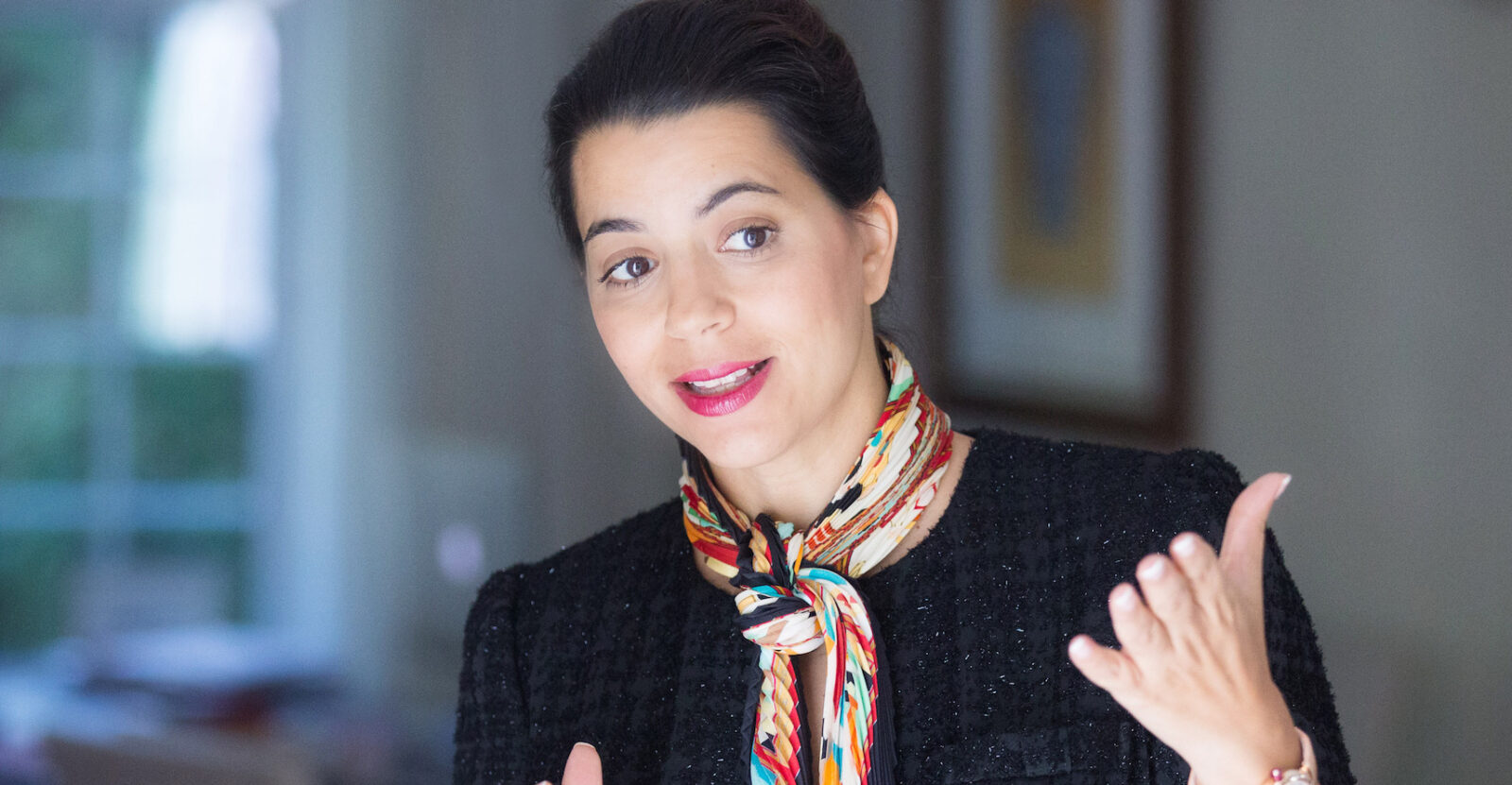
As many as 20 million girls around the world may never return to education post-Covid-19. If this prediction comes true, it will not only be a personal tragedy for every one of these girls—who will never achieve their full potential—it will also be a social and economic catastrophe. Writes Dr. Amel Karboul – CEO Education Outcomes Fund.
Uneducated girls are subjected to financial hardship, poorer health and the high likelihood of under-age, forced marriages and teenage pregnancies. We cannot let this happen.
As we work urgently to avoid this looming crisis, many of my education sector colleagues have an unpleasant sense of déjà vu. For years we have campaigned to keep girls in school and learning. Once again, we’re gearing up for the fight. This time we are armed with evidence and experience, but the scale of the challenge is more daunting than ever before.
We are competing for attention amid the biggest public health crisis in living memory, mass unemployment, and possibly the worst global recession in a century. National budgets are being stretched further than ever before. We will need to campaign on a strong and compelling economic platform so that governments, international donors and philanthropists place getting girls back to school as a top priority.
Lessons from previous outbreaks are not encouraging. In 2014-15, the Ebola outbreak caused five million children in West Africa to be out of school for as much as nine months while schools were closed. And when the time came for them to return to classrooms across Sierra Leone, Guinea, and Liberia, many never went back. Parents cited concerns about the hygiene and safety of classrooms, some children were required to work to contribute to household finances, and some girls had become mothers.
The impact of that time out of school for children and wider society was huge. One of the most immediate consequences was a spike in teenage pregnancy in Sierra Leone. During the outbreak, 11,000 adolescent girls who had previously been in education fell pregnant. These pregnancies have been attributed to girls being more vulnerable to advances from boys and men while they remained at home, as well as transactional sex with men who controlled access to water points.[1] When schools reopened, the majority of these girls were unable to return to school, due to a law that prevented visibly pregnant girls from attending for fear they would distract other pupils from their studies. In March 2020, thankfully, this law was overturned—hopefully helping to prevent a similar fate for girls during the current crisis.

The impact of not educating girls does not fall on the girls alone. A 2018 World Bank study estimated that girls’ limited educational opportunities and the barriers they face to completing 12 years of education cost countries between USD 15 trillion and USD 30 trillion in lost lifetime productivity and earnings.
With the economic and moral imperatives clear, we must give governments the confidence that when they invest in girls’ education, they are spending their money wisely and deservedly. This will encourage them to reopen their classrooms and actively help girls return to school.
To make smart spending decisions, governments need to know which interventions work. Let’s build the evidence base for them. We know that investments and programs targeted at girls to address particular restraints, such as access to toilets and sanitary towels, are worthwhile. We know that conditional cash transfers have also been successful in improving girls attendance in multiple geographies.
But we also know that that to get more children into school or improve learning standards, interventions targeting all students, not just girls, have been seen to be more effective. And we cannot forget that boys are also vulnerable to abuse and violence. No child—regardless of gender—should be stuck in an unsafe home environment.
In areas where we don’t know what works we have a once-in-a-lifetime opportunity. As countries around the world grapple with the same problems at the same time, we can test, learn, and innovate at both speed and scale. We have new technologies and distance learning interventions available to us.
Moreover, we now know how to tailor them to the context in which we are operating, whether that is the distribution of radios to enable learning in remote areas, or SMS-based programs to help families support children.
In such an uncertain environment, where spending will be scrutinized like never before, the education community must come together to build a robust case for investing in girls’ education. With government budgets so squeezed, we should also look to philanthropy, aid, and the private sector to supplement funding.
But the funding will only be made available if the business case for educating girls makes sense. We must show how investing in girls’ education is a route to recovery—not another cost. To lose another generation of girls is a risk we cannot take.
—
